Autopay, Reminders, and Exceptions: LHPH Payment Operations That Scale
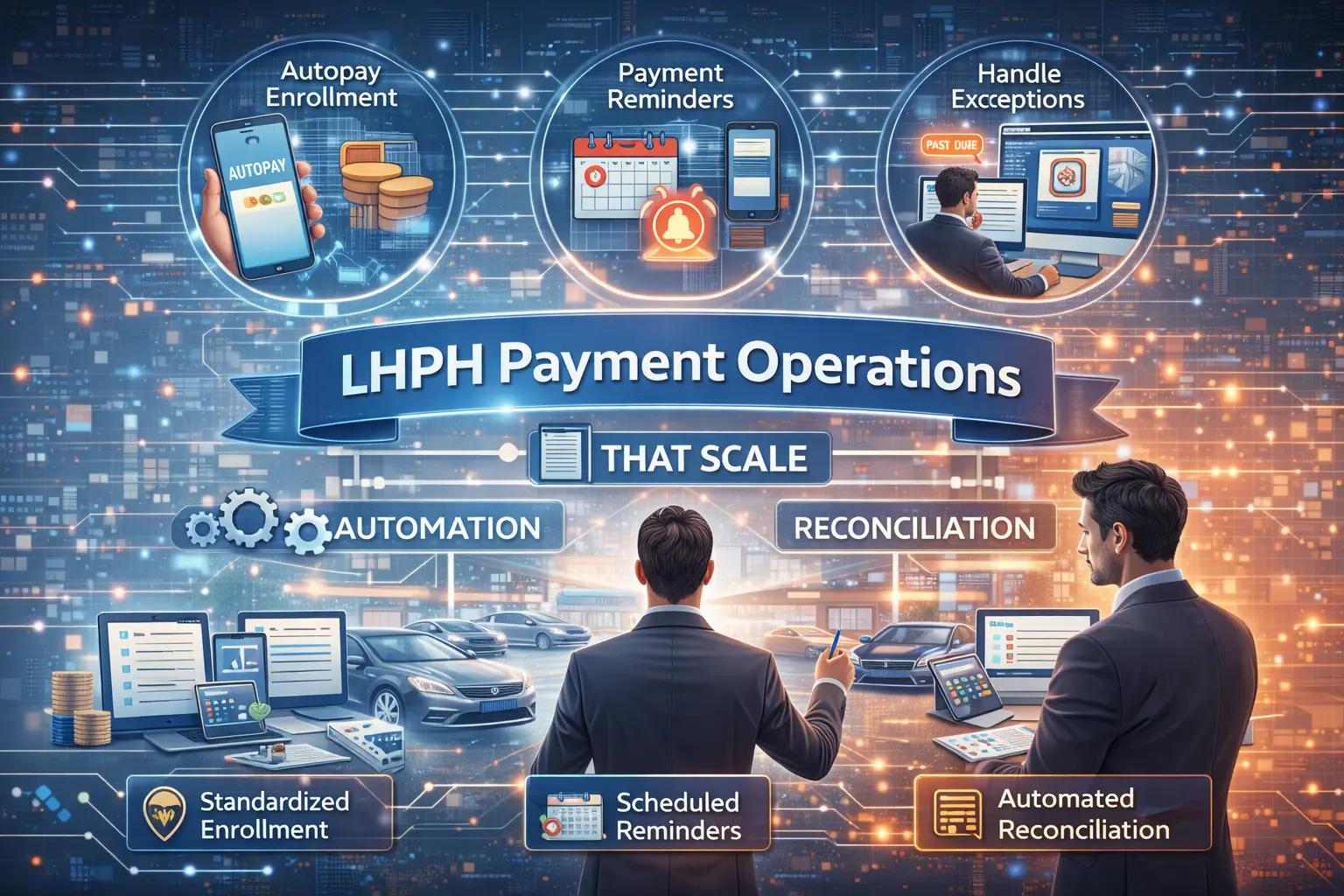
For Lease-Here Pay-Here (LHPH) dealerships, payment operations are a full lifecycle. Scale comes from standardizing enrollment, reminders, exception handling, and reconciliation.
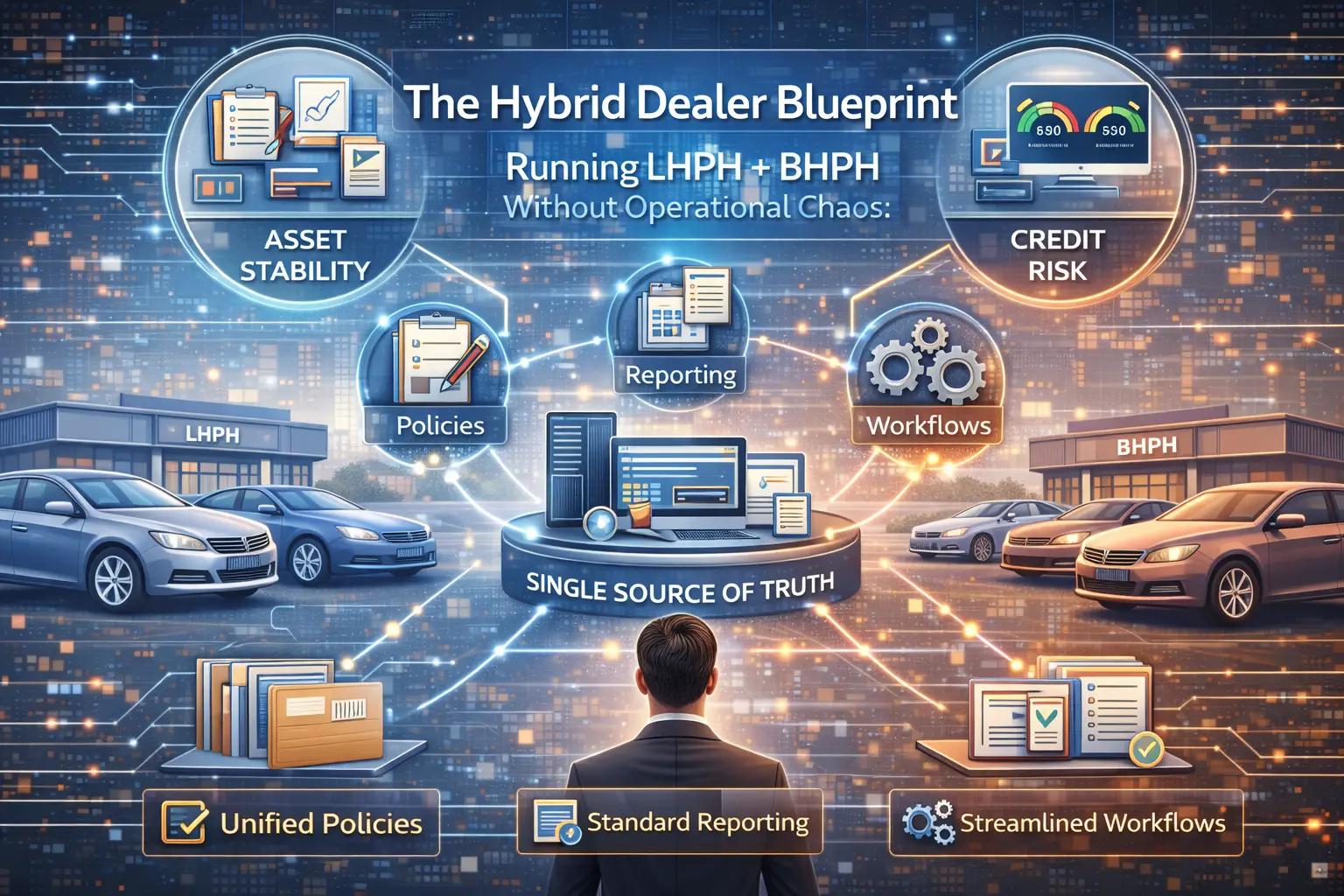
In the dynamic world of Lease-Here Pay-Here (LHPH) dealerships, efficient payment operations are not just about collecting money—they are a critical lifecycle encompassing customer enrollment, timely reminders, robust exception handling, and meticulous reconciliation. As LHPH models demand recurring payments, often on a weekly or bi-weekly basis, the operational load significantly increases. For a deeper dive into how LHPH structures compare to traditional BHPH and how to manage both effectively, refer to our comprehensive pillar post: The Future of LHPH (Lease-Here Pay-Here): How It Compares to BHPH and How to Run Both Models Efficiently. This guide explores how standardizing each stage of your payment operations can unlock scalable growth and financial stability for your dealership.
The Problem: The High Operational Load of Frequent Payments
The very nature of Lease-Here Pay-Here (LHPH) — with its often weekly or bi-weekly payment structures — introduces a unique set of operational challenges that can quickly overwhelm a dealership lacking standardized processes. Without automation and clear workflows, managing frequent payments becomes an enormous administrative burden, leading to:
- Increased Delinquency Risk: More frequent payment cycles mean more opportunities for missed payments, escalating delinquency rates if not managed proactively.
- Inefficient Staff Time: Manual tracking, individual payment reminders, and ad-hoc exception handling consume vast amounts of staff time that could be better spent on sales or higher-value collections activities.
- Customer Frustration: Inconsistent communication or difficult payment methods can lead to customer dissatisfaction, payment disputes, and ultimately, churn.
- Reconciliation Nightmares: Disconnected systems for payments, accounting, and customer communication create data silos, making accurate reconciliation and auditing a time-consuming and error-prone process.
These challenges prevent dealerships from scaling their LHPH operations effectively, turning potential growth into operational chaos.
The Solution: Standardizing LHPH Payment Operations for Scale
The key to overcoming the high operational load of frequent LHPH payments is through comprehensive standardization of every stage in the payment lifecycle. By implementing well-defined processes for autopay enrollment, automated reminders, systematic exception handling, and rigorous reconciliation, dealerships can transform chaotic payment management into a streamlined, scalable operation. This proactive approach minimizes manual intervention, reduces errors, and frees up staff to focus on strategic activities.
A standardized payment playbook ensures consistency in customer communication, simplifies training for new employees, and provides a clear audit trail. It not only improves efficiency and reduces delinquency but also enhances the overall customer experience by offering predictable and convenient payment options. This holistic solution empowers LHPH dealerships to grow their portfolio without compromising operational integrity.
Key Benefits of Scalable LHPH Payment Operations
Implementing a scalable LHPH payment operation offers transformative benefits for your dealership:
- Reduced Operational Costs: Automation of payment processes, reminders, and early-stage collections significantly cuts down on manual labor, freeing up staff and reducing overheads.
- Improved Cash Flow Predictability: High autopay penetration and consistent reminder cadences lead to more reliable and predictable incoming cash flows, enhancing financial planning.
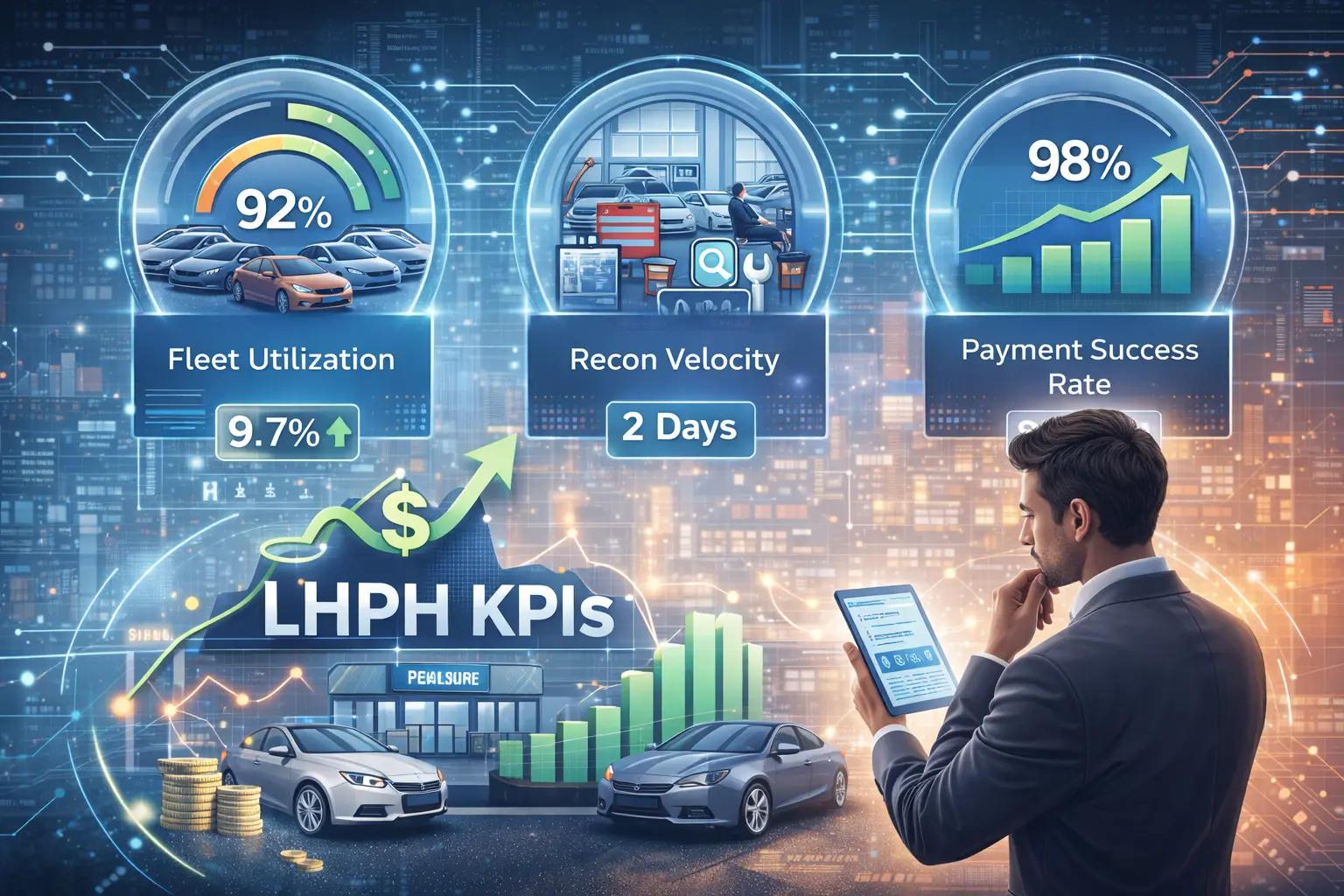
- Lower Delinquency Rates: Proactive reminders and efficient exception handling minimize missed payments and effectively manage early-stage delinquencies before they escalate. Consistent tracking of these metrics, as discussed in our guide on LHPH KPIs That Actually Predict Profit, is crucial for understanding the true health of your payment operations.
- Enhanced Customer Satisfaction: Providing convenient payment options, clear communication, and fair exception handling improves the customer experience, fostering loyalty and reducing churn.
- Stronger Compliance and Audit Readiness: Documented processes and automated tracking create a robust audit trail, ensuring compliance with payment regulations and simplifying financial audits.
- Scalable Growth: Standardized workflows mean your payment operations can handle a growing portfolio without a proportional increase in administrative burden, enabling sustainable expansion.
- Optimized Resource Allocation: With routine tasks automated, your team can focus on higher-value activities like resolving complex exceptions, improving customer relationships, or driving new sales.
How It Works: Building Scalable Payment Workflows
Achieving scalable LHPH payment operations involves systematically structuring key processes within the payment lifecycle.
1. Autopay Enrollment: Scripts + Process Checklist
Autopay is the cornerstone of scalable payment operations. Focus on high penetration to reduce manual effort and improve payment consistency.
- Enrollment Scripts: Develop clear, concise scripts for sales and finance teams to explain the benefits of autopay during deal structuring.
- Process Checklist: Implement a strict checklist for enrollment, ensuring all necessary authorizations are obtained and accurately entered into the system.
- Incentivize: Consider small incentives (e.g., a slightly reduced payment, waiving a fee) for customers who enroll in autopay.
2. Reminder Cadence: What to Automate vs. What to Keep Human-Led
Strategic use of automated reminders can significantly reduce delinquency without overwhelming staff.
- Automated Reminders: Utilize email, SMS, and in-app notifications for upcoming payment due dates, missed payments, and payment confirmations. Set up a logical sequence (e.g., 3 days before, on due date, 1 day after).
- Human-Led Follow-up: Reserve personal calls for high-risk accounts, repeated delinquencies, or customers unresponsive to automated reminders. This balances efficiency with personalized service.
- Communication Templates: Standardize language for all reminder types to ensure clarity and compliance.
3. Exception Handling Playbooks
Inevitably, exceptions will occur. Having clear playbooks ensures they are handled consistently and efficiently.
- Partial Payments: Define clear policies for accepting partial payments (when, how much, and next steps).
- Broken Promises: Establish a process for following up on broken promises-to-pay, including escalation steps.
- Payment Method Failures: Create an immediate action plan for declined cards or returned ACH payments, including customer notification and alternative payment suggestions.
- Disputes and Pauses: Outline steps for handling payment disputes, including investigation, resolution, and documentation.
4. Reconciliation Hygiene (Posting Accuracy, Returns/Chargebacks, Audit Trail)
Accurate and timely reconciliation is vital for financial health and compliance.
- Automated Posting: Integrate your payment processor with your DMS/accounting system to automate payment posting as much as possible.
- Daily/Weekly Review: Implement a routine for reviewing unposted payments, returns, and chargebacks to ensure accuracy.
- Audit Trail: Maintain a comprehensive audit trail for every transaction, modification, and communication, critical for compliance and dispute resolution.
Minimizing Friction While Enforcing Standards
The goal is to make it easy for customers to pay while maintaining strict adherence to your policies. This includes offering multiple convenient payment channels (online portal, phone, in-person) and clearly communicating payment expectations.
How DealerClick Supports Scalable Payment Workflows
DealerClick’s platform is designed to empower LHPH dealerships with robust tools for managing the entire payment lifecycle. Our integrated solutions facilitate easy autopay enrollment, automate payment reminders, and provide customizable workflows for efficient exception handling. With comprehensive reporting and reconciliation capabilities, DealerClick ensures payment accuracy, reduces administrative burden, and supports your dealership's scalable growth in LHPH. Explore our LHPH product features for payment management and reporting. For comparison on how collections strategies differ in traditional models, you might find value in our BHPH Guide.
Conclusion: Scaling Your LHPH Operation Through Payment Excellence
For Lease-Here Pay-Here dealerships, scaling requires more than just acquiring new customers; it demands an ironclad payment operation. By embracing standardization across autopay enrollment, reminder cadences, exception handling, and reconciliation, dealers can transform the challenges of frequent payments into a competitive advantage. This systematic approach not only reduces operational load and improves cash flow predictability but also significantly enhances customer satisfaction and compliance.
Investing in scalable payment workflows, supported by an integrated platform like DealerClick, is crucial for any LHPH dealer aiming for sustainable growth. Move beyond reactive collections and build a proactive payment ecosystem that drives efficiency and profitability.
Ready to revolutionize your LHPH payment operations?
Frequently Asked Questions (FAQs)
Why is autopay so crucial for LHPH dealerships?
Autopay is crucial for LHPH because it significantly improves payment consistency and reduces the administrative burden of manual collections. With frequent payment cycles (e.g., weekly/bi-weekly), autopay minimizes missed payments, leads to lower delinquency rates, and provides more predictable cash flow, all vital for the financial stability and scalability of an LHPH operation.
How can I balance automated reminders with personalized customer service?
The key is a tiered approach. Automate initial reminders for upcoming payments and early delinquencies via SMS or email. Reserve personalized calls or direct contact for customers with higher-risk profiles, repeated missed payments, or complex situations that require human intervention. This balances efficiency with maintaining customer relationships.
What are "broken promises" in payment operations and how should they be handled?
"Broken promises" refer to instances where a customer commits to making a payment by a certain date but fails to do so. A robust playbook for these exceptions involves immediate follow-up, understanding the reason for the missed payment, and working with the customer to re-establish a payment plan. Consistent documentation of these interactions is critical.
How does payment reconciliation in LHPH differ from BHPH?
While both require accurate posting, LHPH often involves more frequent, smaller payments, increasing the volume of transactions to reconcile. Also, LHPH's asset-centric nature means reconciliation needs to tie closely to the vehicle's active lease status. Integrated systems are vital to prevent errors and ensure an accurate audit trail, especially when comparing with traditional BHPH collection methods.
How can DealerClick help my LHPH payment operations scale?
DealerClick offers an integrated platform that automates autopay enrollment, streamlines reminder delivery, provides customizable workflows for exception handling, and simplifies reconciliation with robust reporting. This comprehensive solution reduces manual work, improves payment consistency, and provides the transparency needed to scale your LHPH payment operations efficiently.
Stay Updated
Get the latest auto dealer insights delivered straight to your inbox.
No spam. Unsubscribe anytime.