GPS and Starter Interrupt in BHPH: Best Practices, Disclosures, and Operational Controls
GPS tracking and starter interrupt devices are powerful tools for BHPH risk management, but only when implemented with clear disclosures, explicit permissions, and consistent operational controls to ensure compliance and maximize effectiveness.
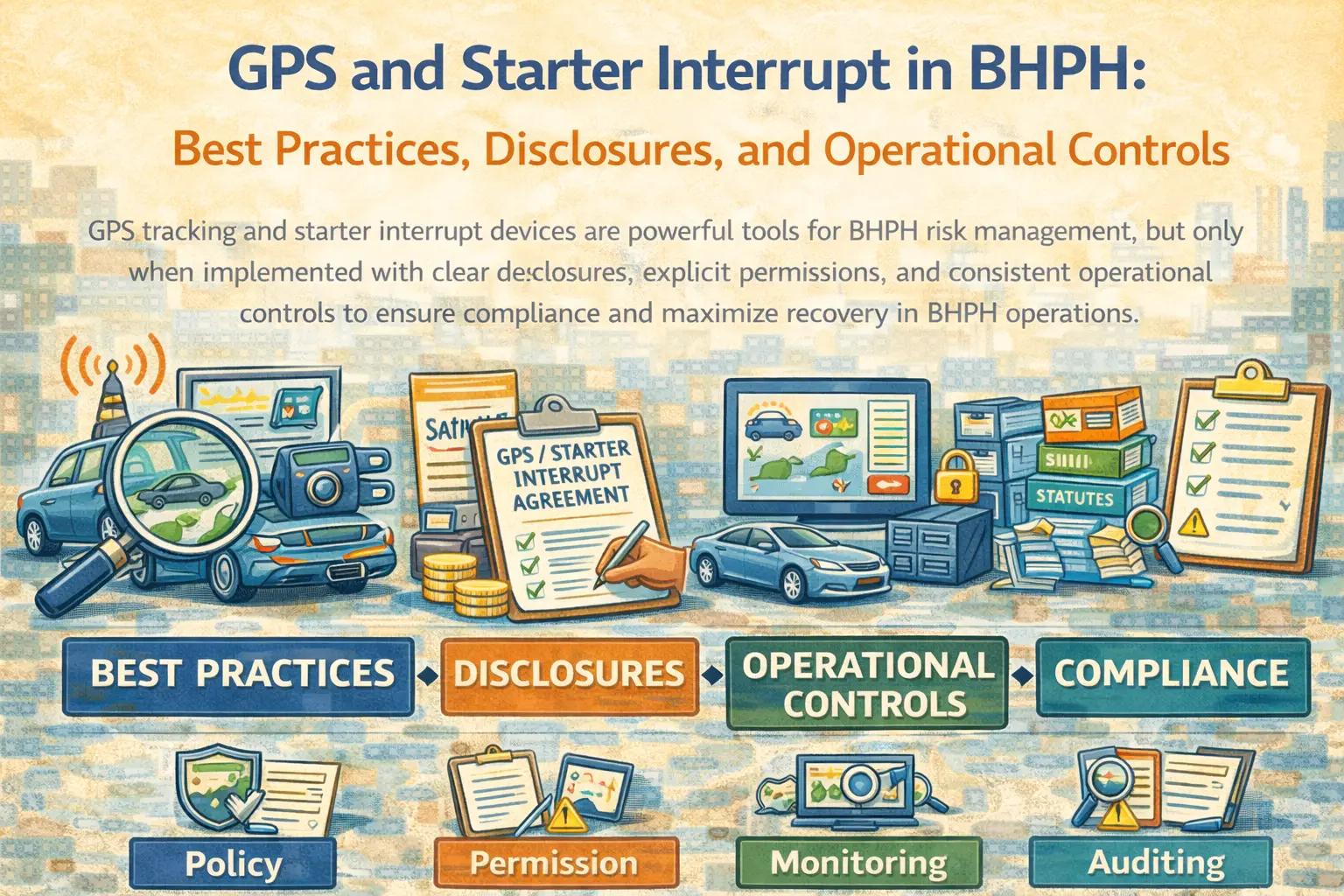
In the Buy-Here Pay-Here (BHPH) world, managing the inherent risks associated with in-house financing is paramount. GPS tracking and starter interrupt devices have emerged as effective tools for asset protection and collections support, offering tangible benefits in terms of risk control and recovery speed. However, their implementation is fraught with legal, ethical, and operational complexities that demand a meticulous approach. For a complete blueprint on launching a successful BHPH operation, including foundational insights into every operational aspect, refer to our pillar post: "Launching a Buy Here Pay Here Dealership: Complete Blueprint". This article delves into the best practices for utilizing GPS and starter interrupt devices responsibly and effectively, emphasizing clear disclosures, explicit customer permissions, and robust operational controls to ensure compliance and maximize their strategic value.
The Problem: Mismanaging High-Tech BHPH Risk Mitigation
While GPS tracking and starter interrupt devices offer compelling advantages for BHPH dealerships in mitigating risk, their improper use or mismanagement can lead to severe consequences. Dealers who treat these technologies as a "set-it-and-forget-it" solution, or who fail to establish clear policies and disclosures, risk:
- Legal Challenges and Fines: Operating without explicit customer consent, violating state-specific disclosure requirements, or misusing data can lead to costly lawsuits, regulatory fines, and license revocation.
- Customer Alienation: Lack of transparency or the perception of intrusive surveillance can damage customer trust, leading to negative reviews, disputes, and reduced customer retention.
- Operational Inefficiencies: Improper installation, device malfunctions, or a lack of integration with collections workflows can render the technology ineffective, creating false alerts and wasting staff time.
- Policy Drift: Without consistent training and oversight, staff may apply these tools inconsistently, leading to compliance breaches and a breakdown in risk management.
- Unrealized Benefits: The potential for improved recovery rates and enhanced collections efficiency remains untapped if the devices are not integrated into a structured, compliant operational framework.
These challenges highlight why the effective use of GPS and starter interrupt devices in BHPH demands a highly disciplined and compliance-focused approach.
The Solution: Compliant Implementation of GPS and Starter Interrupt Devices
The solution to leveraging GPS tracking and starter interrupt devices effectively in BHPH lies in a meticulous, compliance-first implementation strategy. This involves not only selecting the right technology but, more critically, establishing clear, explicit disclosures to customers, obtaining their informed consent, and integrating the devices into consistent, documented operational controls. By making transparency and consistency the cornerstones of your approach, dealerships can harness the risk mitigation benefits of these tools while safeguarding against legal pitfalls and building customer trust.
A compliant implementation ensures that the devices are used as intended—as tools for asset protection and collections support—within a clear ethical and legal framework. This approach strengthens your collections efforts, improves recovery speeds, and provides valuable data for refining risk management strategies, ultimately contributing to a more resilient and profitable BHPH operation.
Key Benefits of Compliant GPS and Starter Interrupt Usage in BHPH
Implementing GPS tracking and starter interrupt devices with best practices yields significant advantages for your BHPH dealership:
- Enhanced Asset Protection: GPS devices enable rapid location and recovery of collateral in the event of default or theft, significantly reducing potential losses and improving recovery rates.
- Improved Collections Efficiency: Starter interrupt devices serve as a powerful last-resort collections tool, motivating delinquent customers to communicate and make payments before repossession becomes necessary.
- Reduced Risk of Fraud and Theft: The presence of these devices can deter potential fraud and theft, protecting your valuable inventory.
- Mitigated Compliance Risk: Clear, consistent disclosures and adherence to best practices prevent legal challenges, fines, and reputational damage associated with improper usage.
- Optimized Operational Control: Integrating device management with collections and recovery workflows streamlines processes, reduces manual errors, and improves overall efficiency.
- Valuable Data Insights: GPS data can provide insights into vehicle usage patterns, helping refine underwriting decisions and risk assessment.
- Stronger Customer Communication: Transparent disclosure builds trust, even around sensitive topics, leading to more honest and open communication with customers.
How It Works: Best Practices for GPS and Starter Interrupt Implementation
Implementing GPS and starter interrupt devices effectively and compliantly requires a multi-faceted approach, covering everything from installation to communication.
1. Why Dealers Use GPS/Starter Interrupt (Risk Control, Recovery Speed)
These devices are deployed primarily for two reasons:
- Risk Control: Deterring customers from defaulting by reminding them of their obligations and the dealer's ability to locate the asset.
- Recovery Speed: Dramatically reducing the time and cost associated with locating and repossessing a vehicle in cases of severe delinquency.
2. Operational Requirements (What Most Dealers Underestimate)
Effective use requires more than just installing the device.
- Installation Workflow: Standardize the installation process, ensuring devices are correctly installed, tested, and linked to the correct vehicle and customer account in your DMS.
- Device Status Monitoring: Implement a system for routinely checking device functionality and battery life to ensure they are always active when needed.
- Exception Handling (Device Issues, Customer Disputes): Have clear protocols for addressing device malfunctions, false alerts, or customer claims of improper usage.
3. Disclosure and Communication Principles (High-Level, State-Dependent)
Transparency and explicit consent are non-negotiable.
- Clear, Written Disclosures: Provide customers with clear, conspicuous written disclosures (in a language they understand) explaining the purpose and functionality of the devices, and how their data will be used.
- Explicit Permissions: Obtain explicit, signed consent from the customer for the installation and use of GPS and starter interrupt devices.
- State-Specific Laws: Be intimately familiar with your state's laws regarding these devices, as regulations vary widely (e.g., some states require prior notice before disabling a vehicle).
Example: GPS Device Recovery Timeline vs. Non-GPS
Below is a conceptual graph illustrating the potential reduction in vehicle recovery time and cost when utilizing GPS tracking devices compared to traditional recovery methods. (Note: In a live blog, this would be a dynamic or static infographic, showing a comparative bar chart of average recovery days/costs.)
4. Using GPS Responsibly Within Your Collections Cadence
Integrate these tools thoughtfully into your collections strategy.
- Last Resort, Not First: Starter interrupt should typically be a last-resort tool, employed after a structured collections cadence has been exhausted, as outlined in our BHPH Collections SOP.
- Communication Before Action: Always attempt to communicate with the customer before initiating a starter interrupt, adhering to all legal notice requirements.
- Documentation: Log every instance of device interaction, including customer communications and reasons for activation/deactivation.
5. Avoiding “Policy Drift” Across Staff and Locations
Consistency is key to compliance and effectiveness.
- Regular Training: Conduct ongoing training for all staff involved in collections and repossession on the proper and compliant use of these devices.
- Audit & Review: Periodically audit device usage logs and customer files to ensure adherence to established policies and identify any "policy drift."
6. Reporting: Effectiveness vs. Cost (Recovery Speed, Cure Rates)
Track the performance of your devices.
- Recovery Speed: Measure the average time from repo-eligibility to vehicle recovery for GPS-equipped vehicles vs. non-equipped.
- Cure Rates: Analyze if starter interrupt activations lead to higher cure rates or faster payment resolutions.
- Cost Analysis: Compare the cost of device installation and monitoring against the benefits in reduced losses and improved collections.
How DealerClick Supports Centralized Tracking and Workflow Discipline
DealerClick provides integrated solutions to streamline the management and compliant use of GPS tracking and starter interrupt devices in your BHPH operations. Our platform can log device installation, monitor status, and integrate directly with your collections workflow, providing real-time data for decision-making. With robust documentation capabilities, DealerClick ensures that disclosures, consents, and every interaction with these devices are meticulously recorded, safeguarding your dealership against compliance risks. This centralized approach within our Buy Here Pay Here Dealer Software allows for disciplined operational control and maximizes the effectiveness of your risk mitigation strategies.
Conclusion: Balancing Technology with Transparency for BHPH Success
GPS tracking and starter interrupt devices are invaluable assets in the BHPH ecosystem, offering powerful capabilities for asset protection and collections efficiency. However, their true value is unlocked only through a commitment to best practices: clear, explicit disclosures, informed customer consent, and rigorous operational controls. By balancing technology with transparency, dealerships can leverage these tools to significantly reduce risk, improve recovery rates, and strengthen collections, all while maintaining compliance and fostering customer trust.
Embrace these technologies as part of a structured risk management strategy. With disciplined implementation and integrated systems like DealerClick, your BHPH dealership can confidently navigate the complexities of asset protection, securing both your investments and your reputation.
Ready to implement GPS and starter interrupt devices with best practices and compliance?
Frequently Asked Questions (FAQs)
Why are explicit disclosures essential for GPS and starter interrupt devices?
Explicit disclosures are essential to ensure transparency with customers and maintain compliance with various state and federal consumer protection laws. Clearly informing customers in writing about the presence, purpose, and functionality of these devices, and how their data will be used, helps prevent misunderstandings, disputes, and potential legal challenges.
Can a BHPH dealer use a starter interrupt device without customer consent?
No. Using a starter interrupt device without explicit, informed written consent from the customer is highly risky and likely illegal in most jurisdictions. Consent is critical for both legal compliance and maintaining customer trust. Specific state laws may also require additional notices before activation.
How do GPS devices assist in BHPH asset recovery?
GPS devices significantly assist in BHPH asset recovery by providing real-time or near real-time location data for a vehicle. This enables dealerships or their recovery agents to quickly and accurately locate collateral in the event of default or theft, drastically reducing recovery times, minimizing storage fees, and improving the chances of a successful repossession.
What is "policy drift" in the context of GPS/starter interrupt usage?
"Policy drift" occurs when the actual practices of using GPS and starter interrupt devices deviate from the dealership's established, compliant policies and procedures. This can happen due to inconsistent staff training, lack of oversight, or individual agents making subjective decisions, leading to compliance breaches and legal exposure. Regular audits are key to preventing it.
How does DealerClick support compliant use of GPS and starter interrupt devices?
DealerClick integrates functionalities to manage GPS and starter interrupt devices within its BHPH software. It allows for logging of device installation, tracking status, and provides tools to document customer disclosures and consents. Its workflow features can help integrate device interaction into a compliant collections cadence, ensuring all actions are recorded for audit purposes and operational control.
Stay Updated
Get the latest auto dealer insights delivered straight to your inbox.
No spam. Unsubscribe anytime.