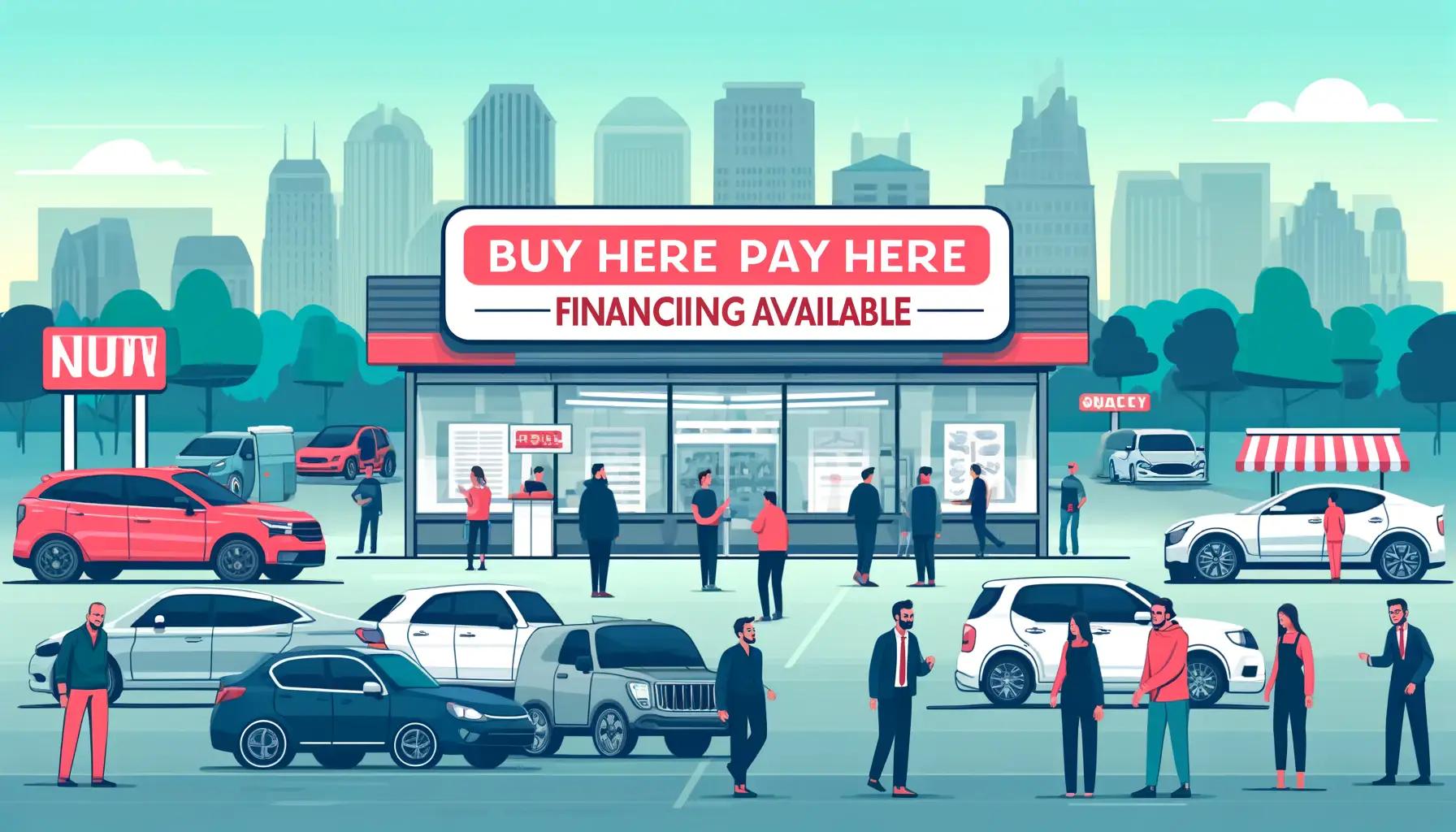
Launching a Buy Here Pay Here Program the Right Way
A practical guide to planning, licensing, underwriting, collections, marketing, and software for successful BHPH operations.
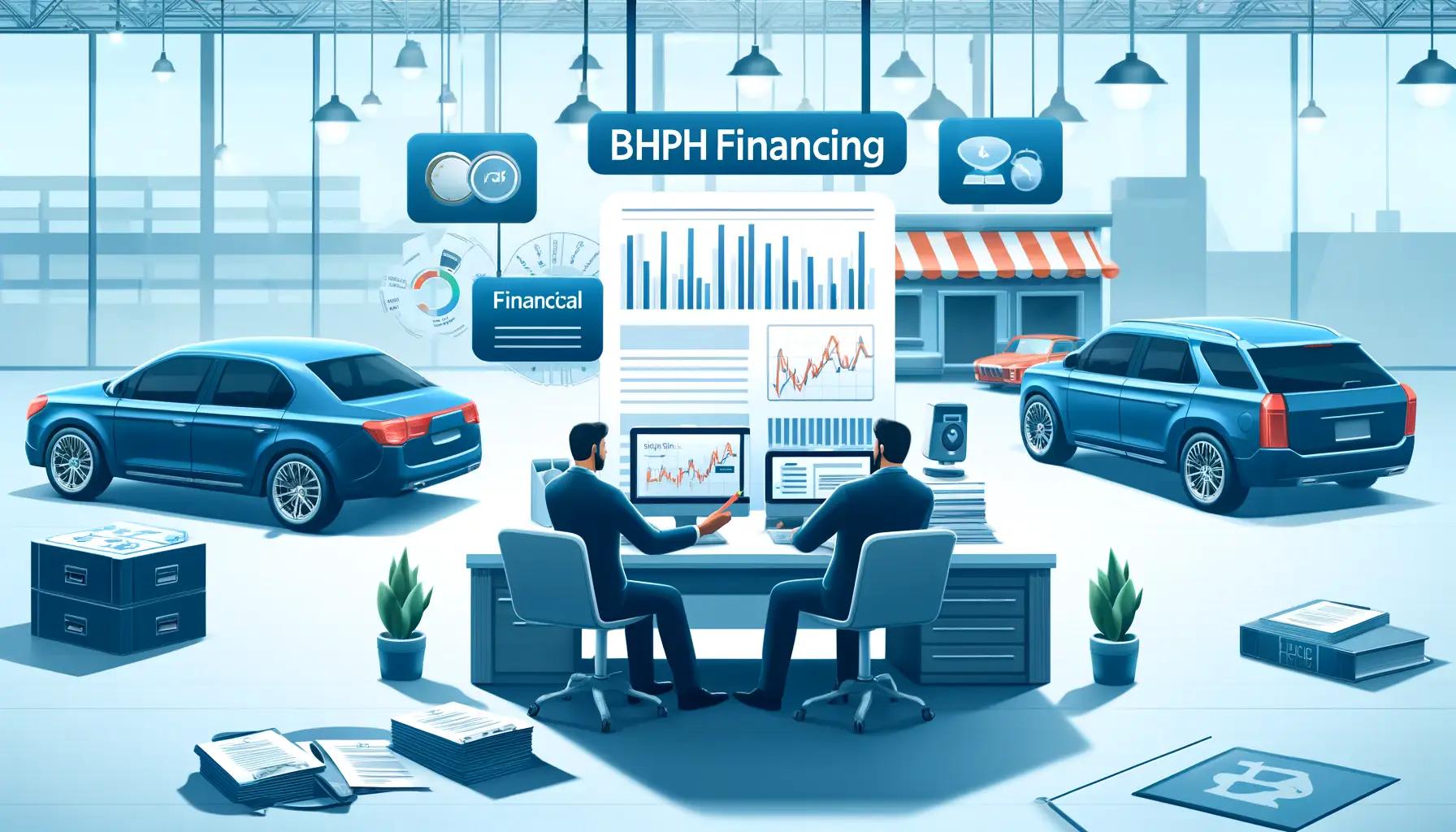
Buy Here Pay Here (BHPH) is more than a financing model—it’s an operational philosophy that touches nearly every part of your dealership. Dealers who launch BHPH without a plan often face high charge-offs, compliance headaches, and reputational risk. Dealers who use software-driven processes can grow recurring revenue, help customers rebuild credit, and keep inventory cycling efficiently. Use this guide to structure your BHPH program, then dive deeper with our how to start a BHPH dealership guide.
The Problem
- Traditional lenders turn down credit-challenged customers, leaving sales on the table.
- Managing payments, collections, and repossessions manually is error-prone.
- Regulatory scrutiny is intense, and fines can shut down operations.
- Without technology, BHPH teams struggle to track KPIs and grow portfolios.
- Marketing often fails to educate customers, leading to misunderstanding or distrust.
The Solution
Build a disciplined BHPH program that covers market research, underwriting, collections, compliance, marketing, and technology. DealerClick’s BHPH software unifies contracts, payments, collections, GPS, CRM, and reporting so you can scale responsibly.
Key Benefits of Structured BHPH
- Serve a broader customer base and generate recurring revenue.
- Maintain control over financing and collateral.
- Build long-term loyalty through credit-building programs.
- Make data-driven decisions using real-time reports.
- Reduce risk via automation and compliance tools.
States with the strongest BHPH demand—Texas (≈2,800 dealerships), Florida (≈2,100), North Carolina (≈1,200), and Ohio (≈1,300)—each impose different licensing, tax, and APR rules. Use those linked location pages to anchor your local policies while you implement the framework below.
1. Assess Market Demand & Competitive Landscape
Analyze credit scores, income levels, and transportation needs in your market. Interview community organizations, employers, and existing customers to understand payment tolerance and vehicle preferences. Map competing BHPH, LHPH, and rent-to-own dealers—identify gaps in price range, vehicle mixes, or customer service. Use these insights to define your niche: price tiers, down payment ranges, service/maintenance packages, and credit rebuilding messaging.
2. Build Underwriting & Payment Policies
Create standardized scorecards that evaluate income stability, residence history, references, prior auto credit, and debt-to-income ratios. Set down payment requirements, payment frequency (weekly, bi-weekly, monthly), and maximum term lengths. Require proof of insurance before delivery, and integrate coverage tracking with reminders. Document exceptions policies (co-signers, limited promotions) to maintain consistency and avoid discriminatory practices.
3. Implement Collections & Asset Protection
Use a layered collections strategy: automated payment reminders (SMS/email), early outreach when payments are late, and hardship programs for life events. Install GPS or starter interrupt devices where legal, and ensure disclosure complies with state law. Maintain relationships with repossession agents and auction houses to minimize loss when recovery is necessary. Track delinquency buckets and charge-off rates weekly; adjust underwriting or outreach when trends change.
4. Establish Compliance & Documentation
Follow federal and state regulations: Truth in Lending, ECOA, FCRA, GLBA, SAFETY Act, and state-specific BHPH statutes (e.g., APR caps, refund rules). Automate OFAC checks, identity verification, privacy disclosures, and Adverse Action notices. Store contracts digitally with role-based access, audit trails, and retention schedules. Conduct periodic compliance audits to ensure paperwork matches what was submitted to regulators or lenders.
5. Manage Payments & Reporting with Software
Deploy DealerClick’s BHPH module to handle contracts, amortization schedules, payments, NSF tracking, repossession status, GPS data, and CRM automations. Integrate QuickBooks or your accounting suite to keep books current. Configure dashboards for delinquency, charge-offs, recovery rates, and portfolio growth so leadership can act quickly. Automate credit reporting (when permitted) to help customers rebuild credit and to incentivize on-time payments.
6. Market & Educate Your Community
Build landing pages explaining how BHPH works, credit-building benefits, and responsibilities. Use SEO, paid search, Facebook Marketplace, and community partnerships to reach target audiences. Highlight transparent pricing, flexible payments, and success stories (with permission). Partner with employers, military bases, and non-profits to offer transportation solutions for workers with limited credit. Make sure all advertising complies with state disclosures and federal advertising rules.
BHPH Readiness Checklist
| Area | Key Questions | Tools |
|---|---|---|
| Market | Do we understand demand, competitors, and pricing gaps? | Market research, DealerClick reports |
| Underwriting | Do we have scorecards, policies, and documentation templates? | DealerClick scorecards, SOPs |
| Collections | Are reminders, GPS, and repossession partners in place? | DealerClick collections module |
| Compliance | Are compliance workflows automated? | OFAC checks, digital docs |
| Marketing | Do we educate customers and track campaign ROI? | DealerClick CRM, analytics |
Real-World Example
A Texas BHPH dealer used DealerClick to manage underwriting, payments, and CRM. By standardizing scorecards and collecting GPS data, delinquency dropped from 18% to 9% within six months. Automated payment reminders and hardship programs reduced repossessions, and credit reporting helped customers rebuild scores, leading to strong referrals. The portfolio grew 30% year over year while charge-offs stayed below 5%.
State-specific BHPH resources
- Texas dealer software – Automates 254 county tax rates, TxDMV + eLIEN filings, and OCCC APR guardrails for the country’s largest BHPH market.
- Florida dealer software – Handles DHSMV e-services, hurricane continuity, and 67-county discretionary surtax rules to keep coastal stores compliant.
- North Carolina dealer software – Covers Highway Use Tax vs. sales tax, 36% APR caps, and 20-day temp tag tracking across Charlotte, Raleigh, and beyond.
- Ohio dealer software – Includes ELT/DRIVES integrations, 88-county + RTA tax calculators, and Chapter 1317-compliant collections dashboards.
Conclusion
BHPH financing can fuel sustainable growth if you build strong underwriting, collections, compliance, marketing, and technology foundations. DealerClick’s BHPH software streamlines every step—freeing your team to focus on serving customers and growing the portfolio. Ready to modernize your BHPH operations? Let’s talk.
Frequently Asked Questions
How do I set interest rates?
Use state usury limits as a baseline, then price risk based on vehicle, term, and customer profile. Model scenarios in DealerClick to balance profitability with affordability.
How can customers rebuild credit?
Report on-time payments to credit bureaus through an approved reporting service or DealerClick integration (with customer consent). Provide education on budgeting and credit to boost success.
Stay Updated
Get the latest auto dealer insights delivered straight to your inbox.
No spam. Unsubscribe anytime.